TURBO Project Workshops: Sharing Experience in Crisis Management in Higher Education
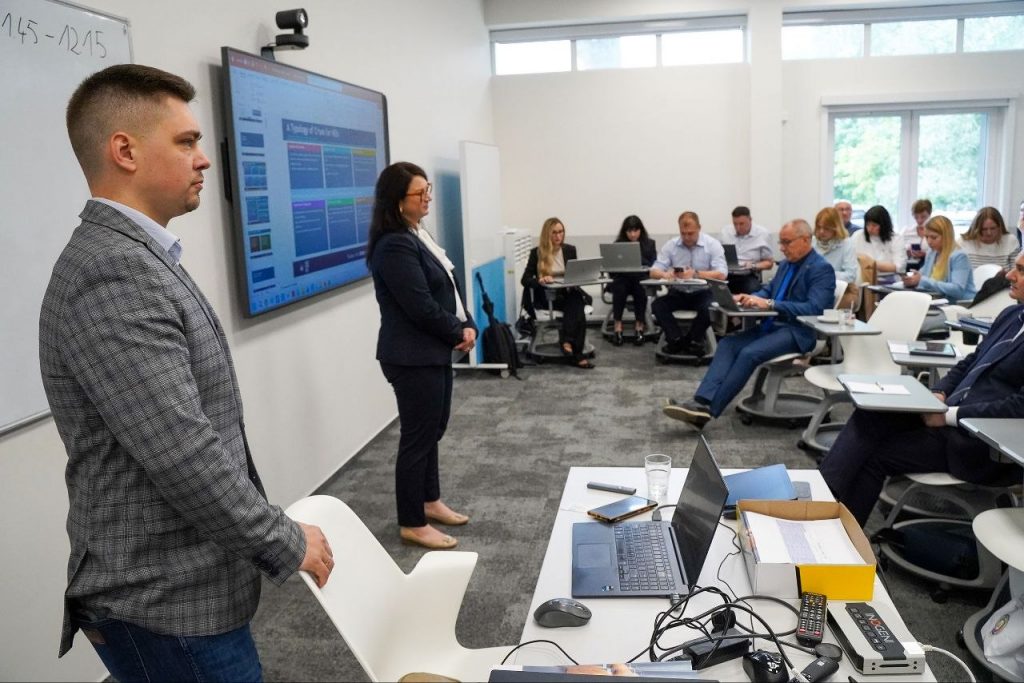
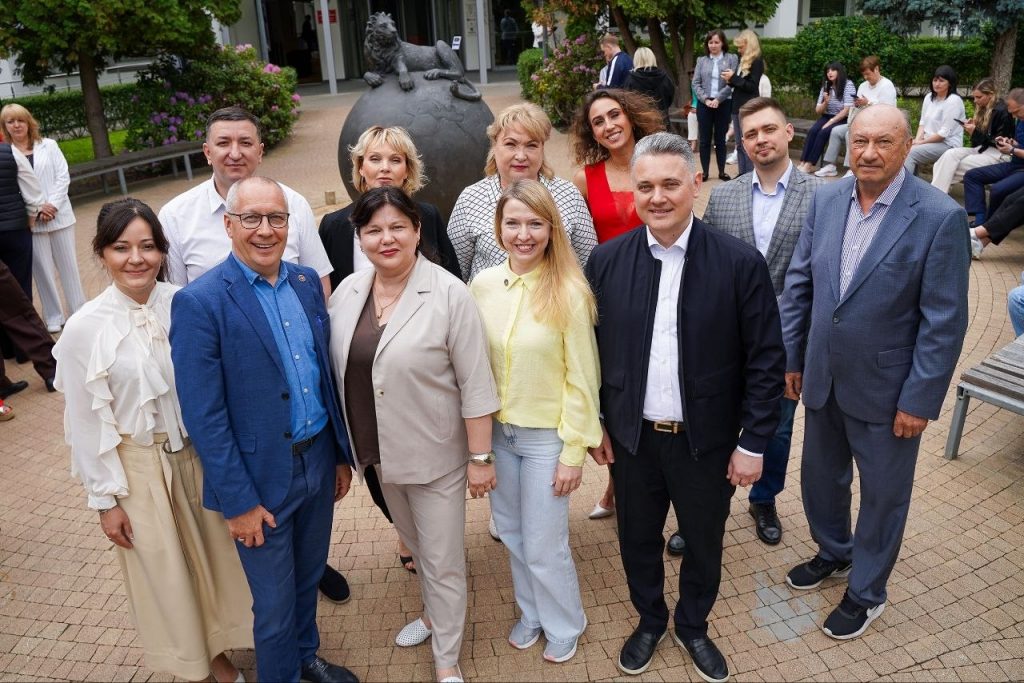
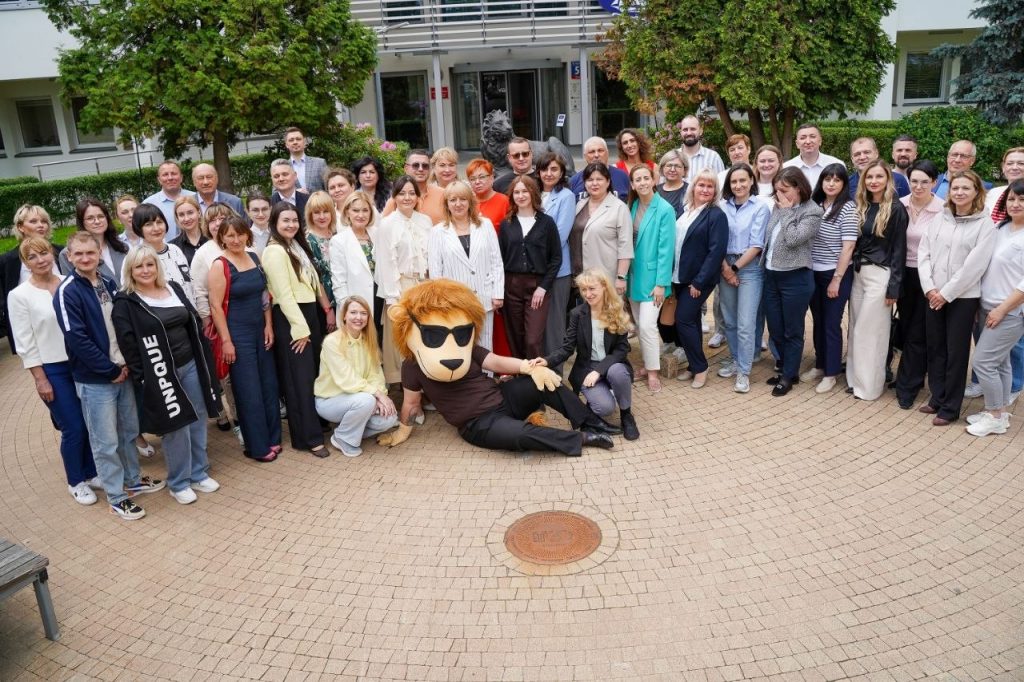
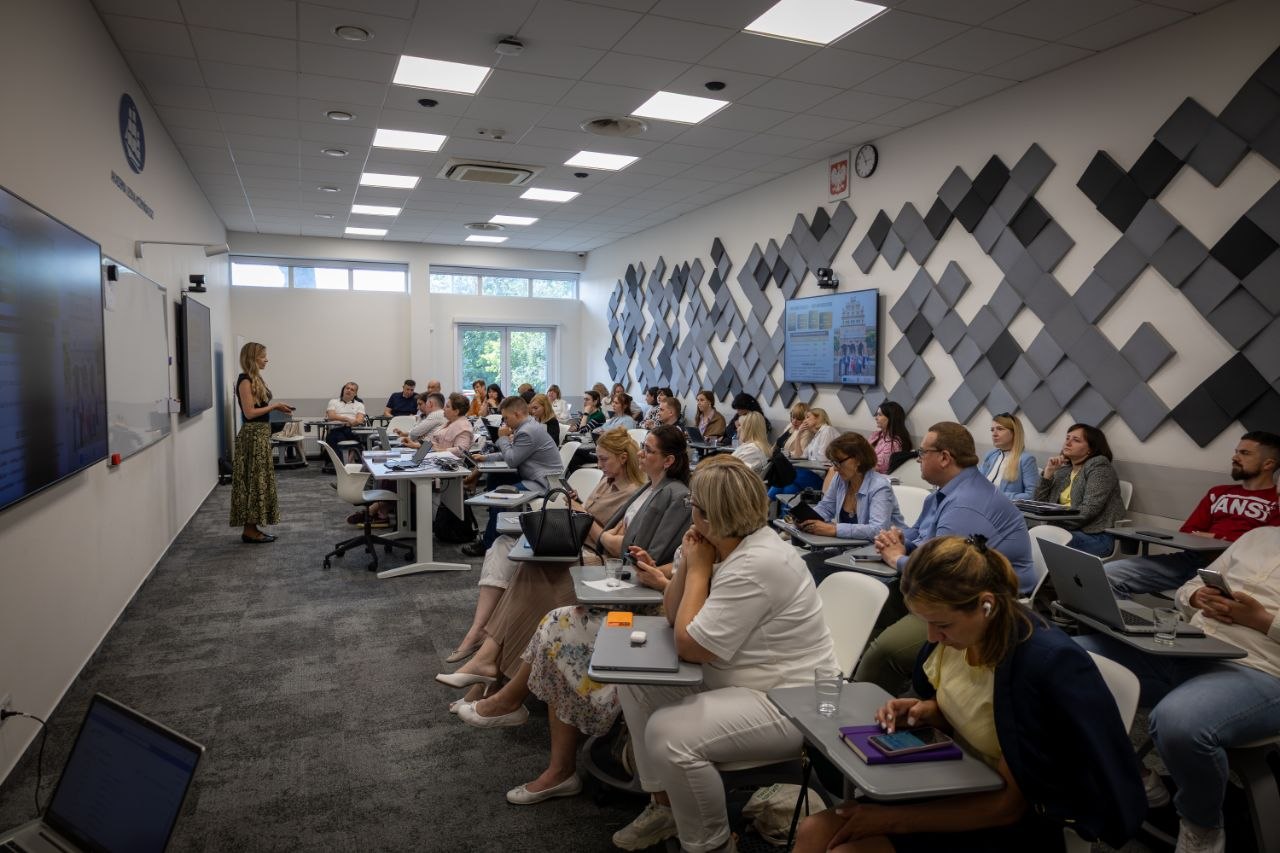
On 15–19 June 2026, representatives of National University “Chernihiv Polytechnic” participated in a series of workshops and experience-sharing sessions within the international TURBO project “The Universities’ Reaction to Big Obstructions: Building Resilient Higher Education to Respond and Manage Societal Crises”, held at Kozminski University (Poland).
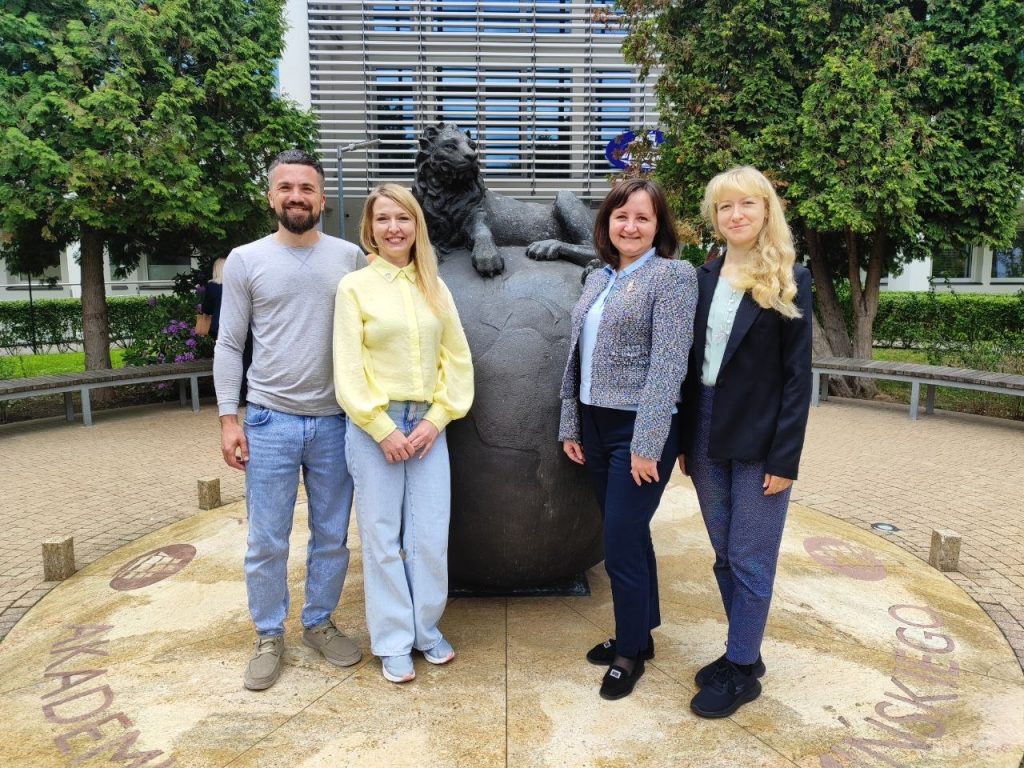
The university was represented by:
◆ Kateryna Maksiom, Head of the Department of Social Work, university project coordinator;
◆ Nadiia Nahorna, Dean of the Faculty of Social Technologies, Health and Rehabilitation;
◆ Dmytro Mekhed, Associate Professor at the Department of Cybersecurity and Mathematical Modelling;
◆ Nataliia Kholiavko, Professor at the Department of Finance, Banking and Insurance, Head of the Centre for Project Activities.
The programme covered three key thematic areas: strategic and crisis management in higher education institutions, designing and managing innovative educational programmes, and building an interactive university through stakeholder engagement and support for internally displaced persons. A dedicated workshop addressed the role of artificial intelligence in higher education.
The format combined lectures by faculty from partner universities with participant presentations on institutional practices and their practical application. The closing session focused on developing a sustainability plan for continued implementation of project outcomes.
The main aim of TURBO project “The Universities’ Reaction to Big Obstructions: Building resilient higher education to respond and manage societal crises” is to increase the resilience, preparedness and responsiveness of Ukrainian higher education institutions (HEIs) by building their capacities, improving competencies and sharing experiences.
This project has received funding from the European Union (ERASMUS-EDU-2023-CBHE) under grant agreement No 101129315.
This material reflects only the views of the authors and does not necessarily represent the official position of the European Union.