Media Literacy as Part of Personal and Public Safet
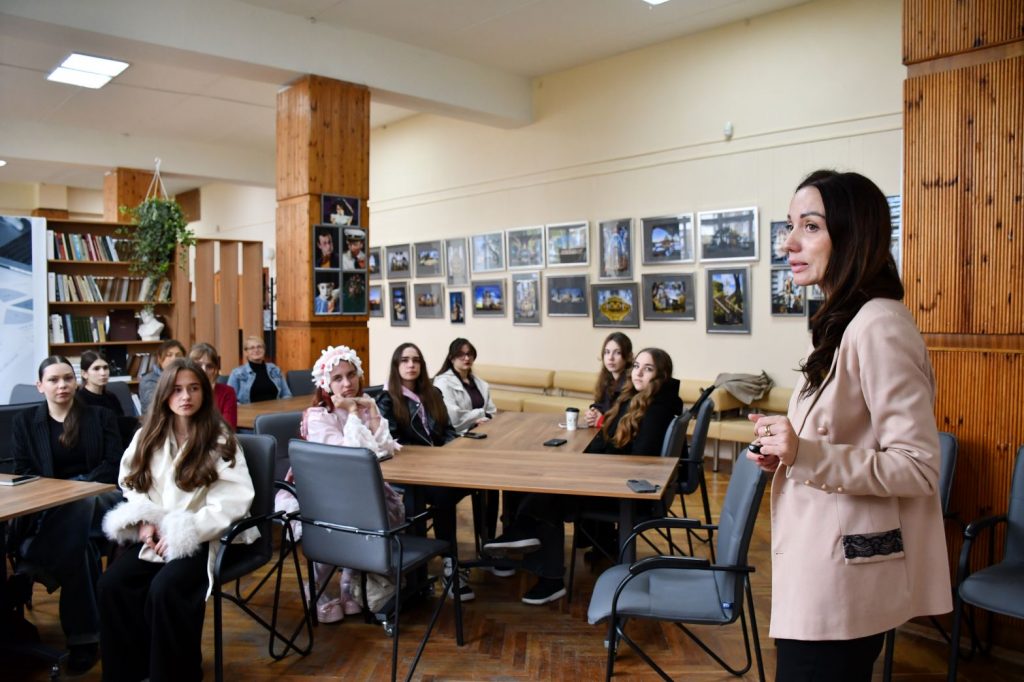
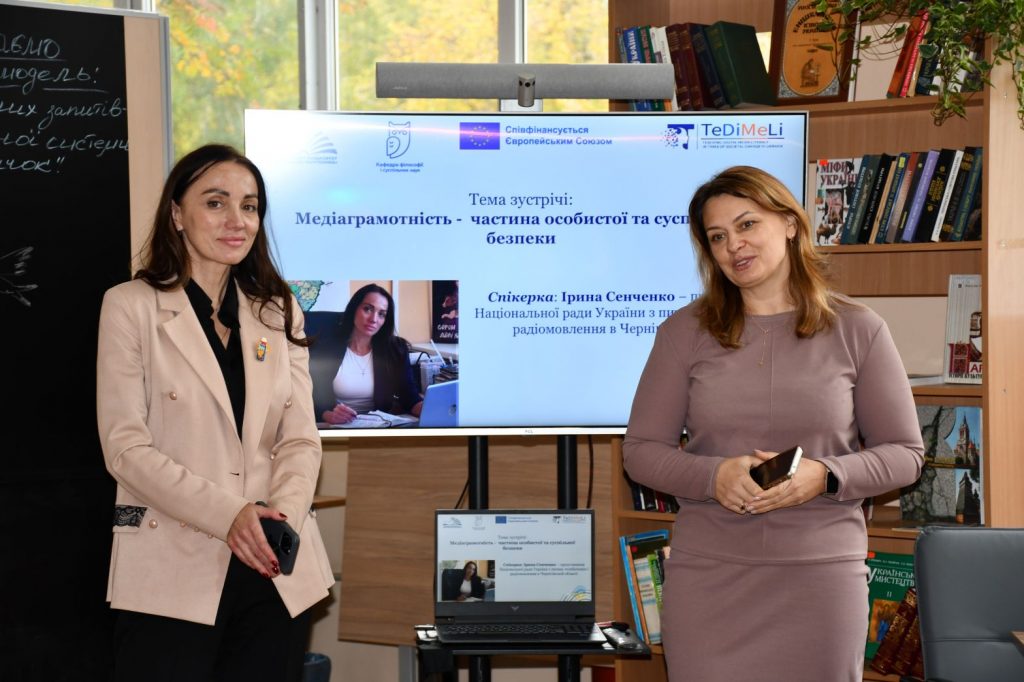
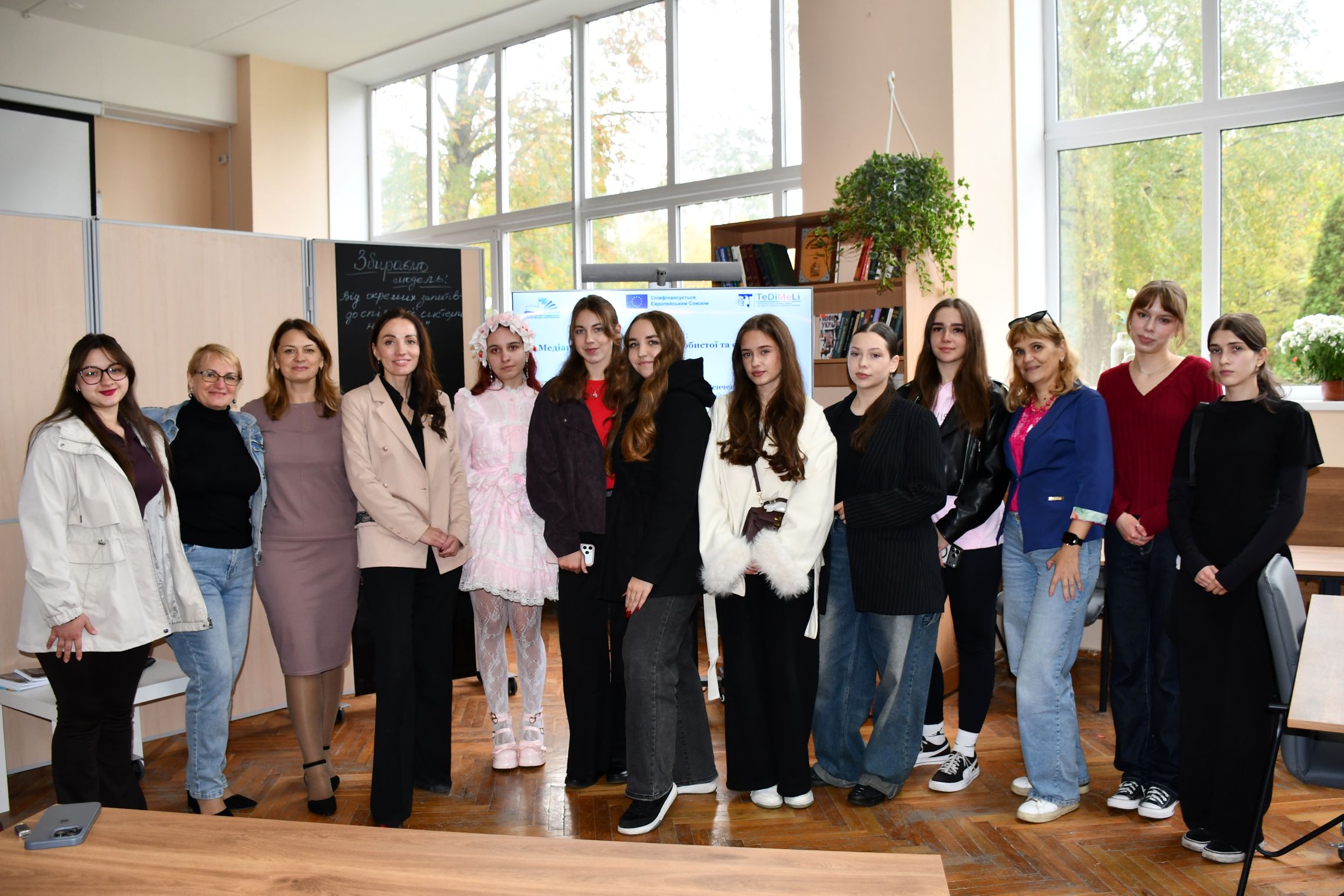
How to distinguish a fact from an opinion? How does a judgment differ from an assumption? How to recognize propaganda and disinformation and avoid becoming an instrument for spreading fakes? These questions were discussed on October 13, 2026, by students of Chernihiv Polytechnic National University during a meeting with Iryna Senchenko, representative of the National Council of Ukraine on Television and Radio Broadcasting in Chernihiv Oblast.
The event “Media Literacy as Part of Personal and Public Safety” took place within the framework of the Erasmus+ KA2 project TeDiMeLi “Teaching Digital Media Literacy in Times of Societal Changes in Ukraine” and was timed to coincide with Global MIL Week 2026. The event was organized by the Department of Philosophy and Social Sciences of Chernihiv Polytechnic.
Students from various majors joined the discussion. Participants explored how modern media operate, how information messages are formed, and how manipulations affect human perception.
Discussions covered propaganda, disinformation, hyper-localization and targeting of fakes at the community level, doxing, and multimedia tools of influence. Special focus was placed on what helps us read information critically: facts have an evidentiary base, opinions represent personal stances, judgments may be grounded in facts or baseless, and assumptions should not be taken as established truths.
It is especially important that such events are not limited to theoretical talks about media. They foster a practical habit of verifying information, asking questions, distinguishing facts from evaluations, and realizing personal responsibility for what we consume and share.
The TeDiMeLi project is co-funded by the European Union; however, the views and opinions expressed are solely those of the author(s) and do not necessarily reflect those of the European Union or the European Education and Culture Executive Agency (EACEA). Neither the European Union nor the granting authority can be held responsible for them.
Funded by the European Union. Views and opinions expressed are however those of the author(s) only and do not necessarily reflect those of the European Union or European Education and Culture Executive Agency (EACEA). Neither the European Union nor the granting authority can be held responsible for them